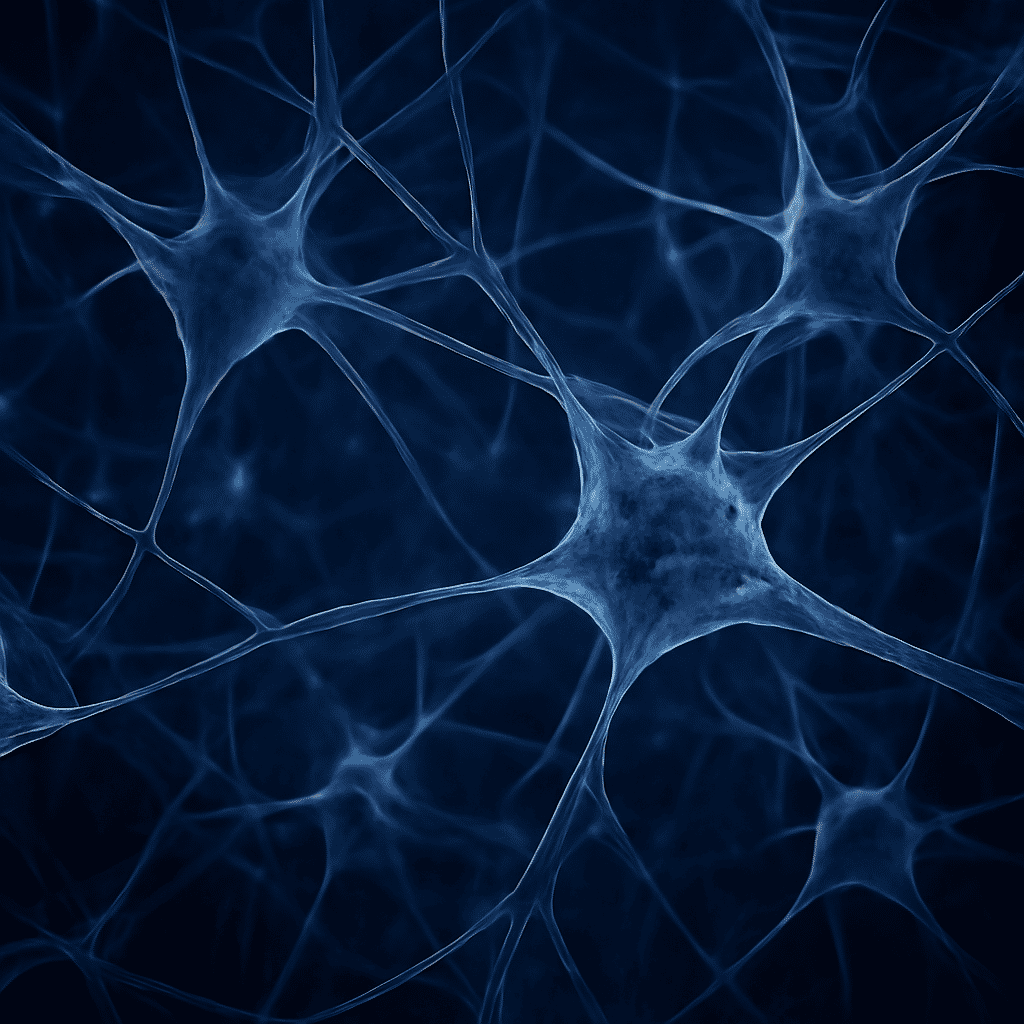
The human brain is a remarkably dynamic organ, constantly adapting and reshaping itself in response to new experiences and environmental changes. This ability to change and adapt, known as brain plasticity or neuroplasticity, is essential for learning, memory, and recovery from injury. Central to this adaptive capacity are synapses, the specialized junctions between neurons that allow them to communicate with one another. Understanding the role of synapses in brain plasticity provides deep insights into how our brains function and evolve over time.
Synapses are the pivotal sites where the magic of communication occurs between neurons. They allow for the transmission of chemical and electrical signals, facilitating information flow throughout the neural networks. Each synapse consists of a presynaptic terminal, which releases neurotransmitters, and a postsynaptic membrane that contains receptor sites. Importantly, the strength and efficiency of these synaptic connections are not fixed; they can strengthen or weaken in response to activity—a phenomenon known as synaptic plasticity.
At the heart of synaptic plasticity are two critical processes: long-term potentiation (LTP) and long-term depression (LTD). LTP is the process by which synaptic connections become stronger with increased activity. When synapses are frequently used, the neurons involved tend to form stronger connections, making it easier to activate each other in the future. This mechanism is believed to underpin learning and memory, enabling us to retain new information and skills over time.
Conversely, LTD occurs when synaptic activity decreases, leading to a reduction in synaptic strength. This process is crucial for pruning away less active neural connections, making the brain’s networks more efficient and allowing it to adapt to new challenges. Through LTD, the brain maintains a balance between the formation of new connections and the elimination of old ones, ensuring that its resources are used most effectively.
Environmental factors play a significant role in shaping synaptic plasticity. For instance, enriched environments that provide a variety of stimuli and interactions have been shown to enhance synaptic connections and intellectual abilities. On the other hand, a lack of stimulation may lead to weaker synaptic activity and diminished cognitive function. This highlights the vital role that external experiences have in driving brain changes, reinforcing the importance of staying mentally and physically active throughout life.
Moreover, synapses are not static structures; they can undergo structural changes in response to sustained activity. This process, known as structural plasticity, involves the growth of new dendritic spines and the reorganization or elimination of existing synaptic connections. Such changes enable the brain to continually optimize its circuitry in response to both internal signals and external demands.
Recent research has also shed light on the molecular mechanisms that underpin synaptic plasticity. Various signaling pathways, ion channels, and scaffolding proteins are central to the dynamic regulation of synaptic function. These molecular players work in concert to modulate synaptic strength and connectivity, allowing the brain to remain flexible and receptive to change.
As scientists continue to unravel the complexities of synaptic plasticity, new avenues for therapeutic interventions in neurological disorders are emerging. Conditions such as Alzheimer's disease, depression, and schizophrenia are characterized by disturbances in synaptic function and plasticity. By precisely targeting the synaptic mechanisms involved, potential treatments could be developed to restore balance and improve cognitive and emotional health.
In conclusion, synapses are fundamental to brain plasticity, serving as the conduits for neuronal communication and adaptation. Through processes like LTP and LTD, synapses enable the brain to learn, remember, and change based on new experiences and information. This profound adaptability highlights the resilient nature of the human brain, equipped to navigate an ever-evolving world, making synapses an extraordinary focal point in the quest to understand and enhance brain function.